this is likely my rarest singular herp find based on just how darn rare it is in the state of Michigan. marbled salamanders aren’t a rare species in a lot of other states and ive seen them a lot in southern illinois. the reason its so rare is that this was in Michigan, an area where according to MI state herp records has not been documented in the state since the mid to late 1990s, i have asked around and found out that there was a voucher published in the early 2010s, but it was not in this county. once again not a rare species in a lot of other places but it is one of if not the, rarest amphibian in Michigan. its so rare that i didnt even know they lived in michigan till my friend and I flipped this one under a small old mossy birch log in a seasonally flooded marsh, and there are no other observations on inat from MI. I think I made the observation private or just kept it off inat, since MI DNR recommended that to my friend also, and I’ll just share it here bc I don’t think anybody’s gonna go and poach these guys from the spot, and this is the perfect place to share it


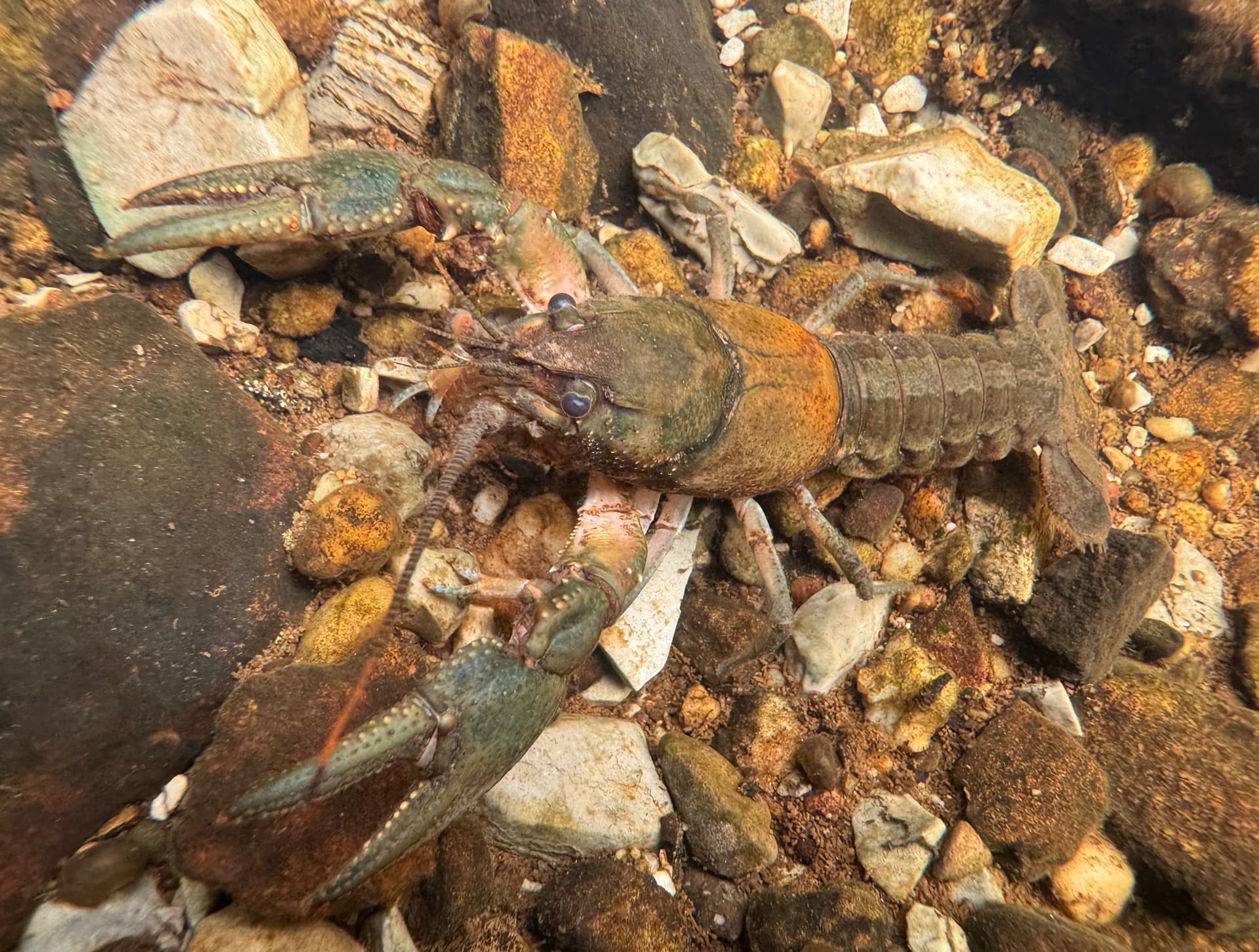
The tiny Big Stone crawfish is only known from a less than 5 mile stretch of one stream. I found it together with an undescribed species that may well also share the same tiny range (see below)
In Hwange Park in Zimbabwe in 1990 we saw what was believed to be the last pack of 17 wild dogs. I’m if they meant the last pack in Hwange but I believe they are endangered with rapidly decreasing numbers.
Northern copperbelly water snakes in Michigan/Ohio. I kept them off iNat due to site sensitivity, but I think those populations are mostly gone now.
I would love to find one. I know there are scientists out there surveying for them in northwest Ohio.
FYI, you can obscure location data, so you might be able to submit them as iNaturalist observations if you still have the information.
This huge Great Hornbill that of course didn’t show “Expected Nearby”. It was quite a moment, even when they flew you could hear there wing beats! You can tell how much I like Hornbills by looking at my profile picture, :)
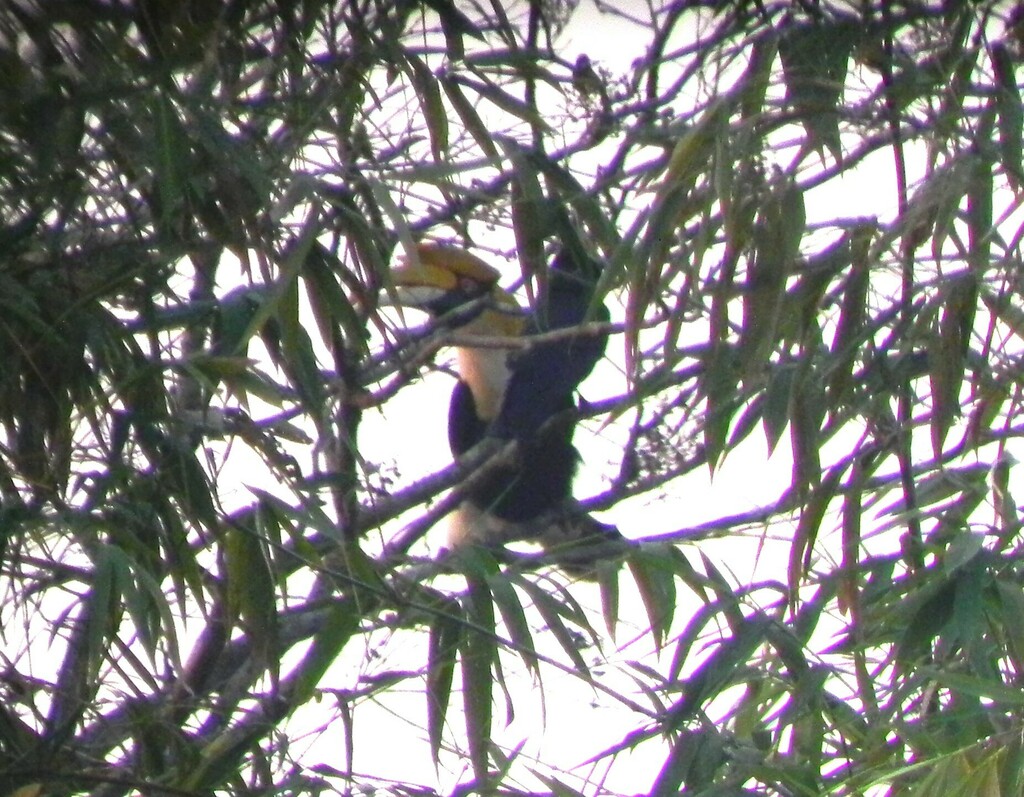
The observation is at https://www.inaturalist.org/observations/258005023.
The rarest plant Ive seen is probably Zizania texana Texas Wild Rice, only found on about 1/2 a mile of a river near San Marcos, TX.
Probably the next rarest plant Ive seen is Shale Barren Evening Primrose and then probably Marshallia pulchra, Beautiful Barbara’s-Buttons that only occurs on rare types of mostly barren fast flowing rivers in Appalachia.
I had considered that - it’s in the state natural heritage databases so I at least know it is documented somewhere. It’s been over 20 years since I worked on that project and even then they were restricted to a couple townships. I hope they are still around.
New rarest: Glyphipterix quadragintapunctata, a type of small moth. Only 41 observations in the entire world!! (Heh)
I didn’t manage to get a great photo, mostly because it was dark and rainy. But that was a surprise, especially because I never see anything that rare!
Nice! I can’t believe it turned out that well considering the fact that it was dark and rainy!
I was lucky enough to get a photo of a rare subspecies of Mexican paper wasp with only 8 observations, and have only be found in the Caribbeans (I was there for a girl scout cruise). I was so excited to have seen it, especially since any normal person would probably have either given those wasps a wide berth, or not noticed them at all! Pretty cool what can turn up when you least expect it! 
It’s hard to say for sure, but if I had to guess, it’s probably this little Polochrum repandum baby I saved and hatched last year.
There are only 25 observations of them on iNaturalist, and they’re also in my country’s red book, but not actually protected in any way because we “don’t know how to”. Istg I’ll snap one day and help every useless politician get intimately acquainted with a decaying old tree to help them figure that “how to” out.
Probably the Cascade caverns Salamander https://www.inaturalist.org/observations/151177090scade only 85 observations on the app
probably a roseate spoonbill and a Luna moth
How cool! They are both so pretty, and have really unique coloration! And welcome to the community!
For me it is probably Audea stenophaea and Uloborus furunculus, both firsts on iNaturalist.
In terms of IUCN rarity, the White-rumped Vulture (not on iNat), the Ganges Softshell Turtle (a rapidly declining species that I was lucky to spot) and the Bengal Tiger.
Talking about local rarities/ unexpected finds, the Redspot, Common/Rain Quail and the Indian Hare are probably some of the most unexpected ones.
While not rare in other parts of NA, I got a sighting of an American Bumblebee queen in central Ohio.
To put it in perspective, she was the only sighting of her kind in our area this year
https://www.inaturalist.org/observations/311746668
The most universally rare creature I have seen in the wild is a litter of fresh Massasauga Rattlesnakes
I think some of my plant/leafhoppers, including some new species, in my collection. But one of the rarest described ones has to be Psammotettix emarginatus, described from Punjab (India, in 1969) and then found in Pakistan (2010) and lastly in Iran (Don’t remember which year). Very uncommon.
It would have to be this one: Rough Sallfly.
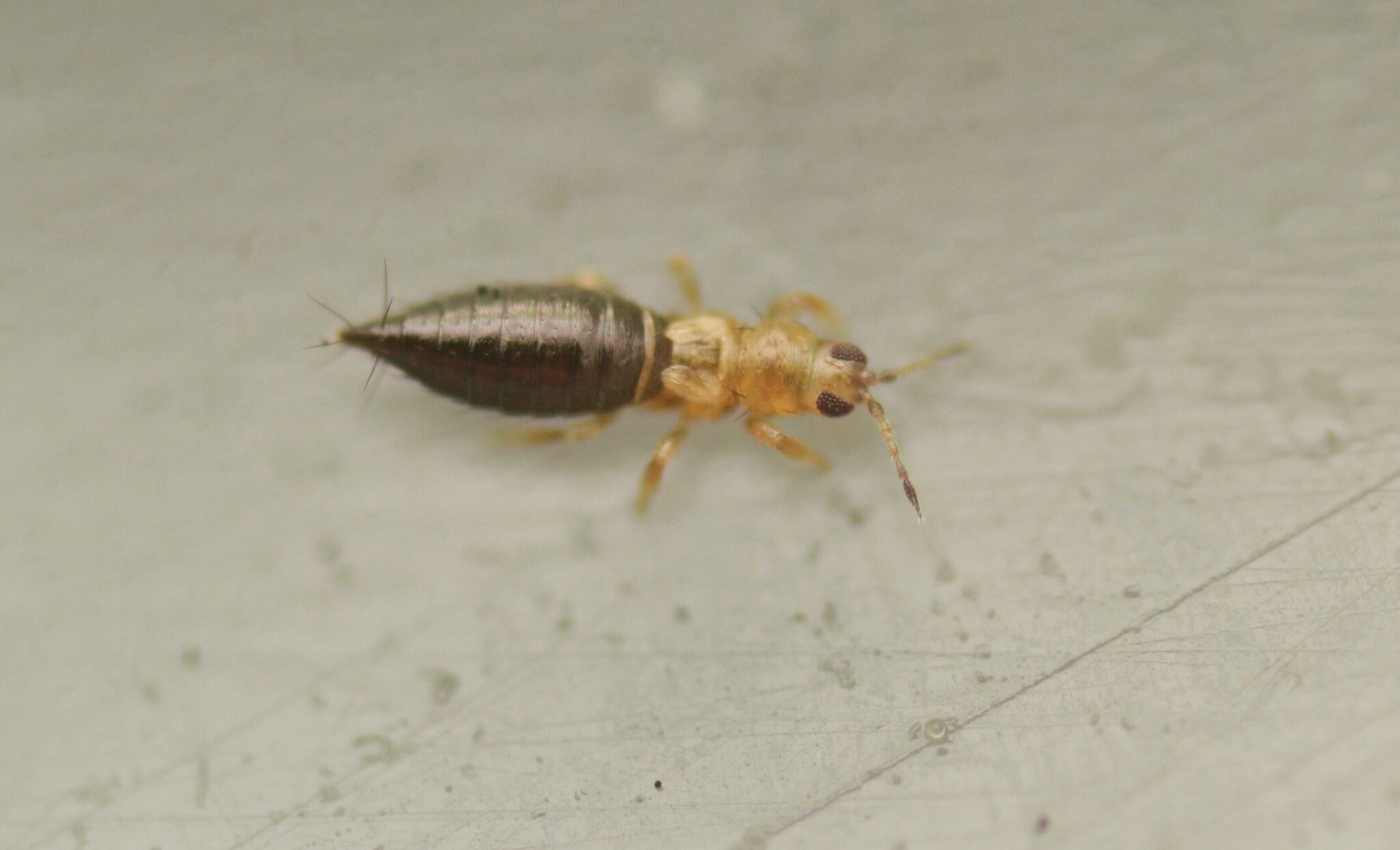
I guess this one, which is a Frankliniella fusca, or better known as the Tobacco Thrip. Seems to be the only observation of it on INat in the world. (https://www.inaturalist.org/observations/298470712)
probably a ozark pocket gopher (G. b. ozarkensis) it is a subspecies of Geomys bursarius that only really exists in like 25-30% of one county in the northern part of Arkansas. There is a really rare tree species endemic to here that I would love to see one day called Quercus acerifolia which is in the Ouchita mountains in Arkansas, but they only are found in like a 20 sq kilometers of space in 4 different pockets of the mountains so I doubt I will ever see one. The 4 mountains are all in different counties and all the species are in open rocky woodland, areas with a novaculite substrate (which is something else that is only found in the mountains there) on high ridges, so im not getting my hopes up