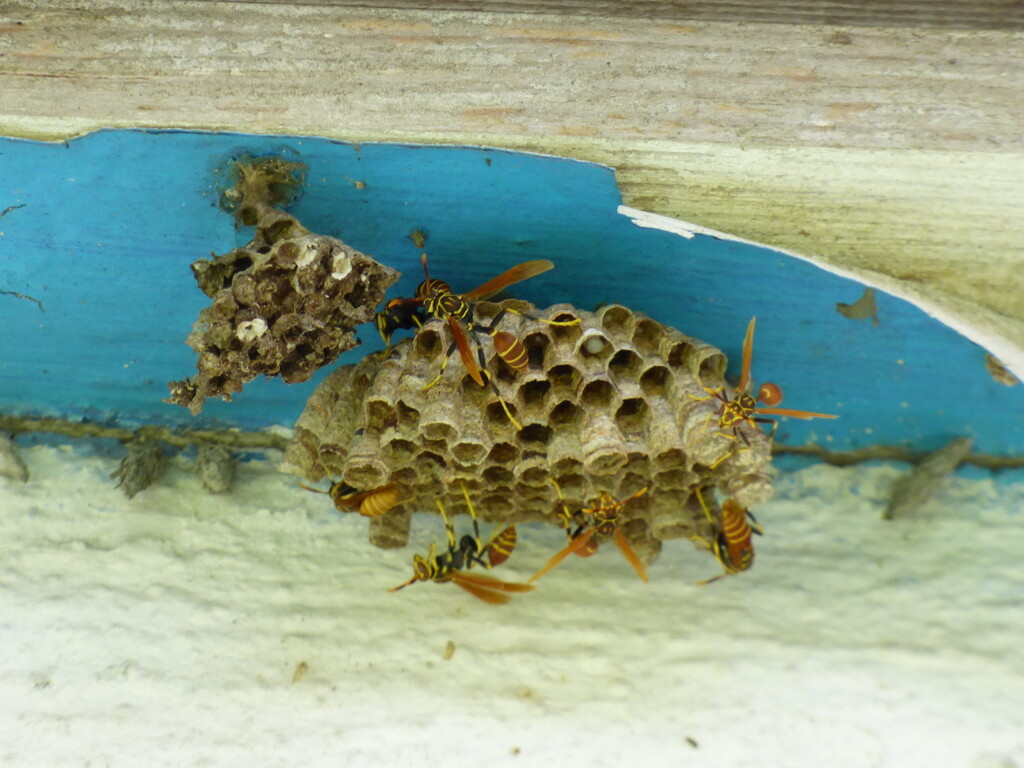
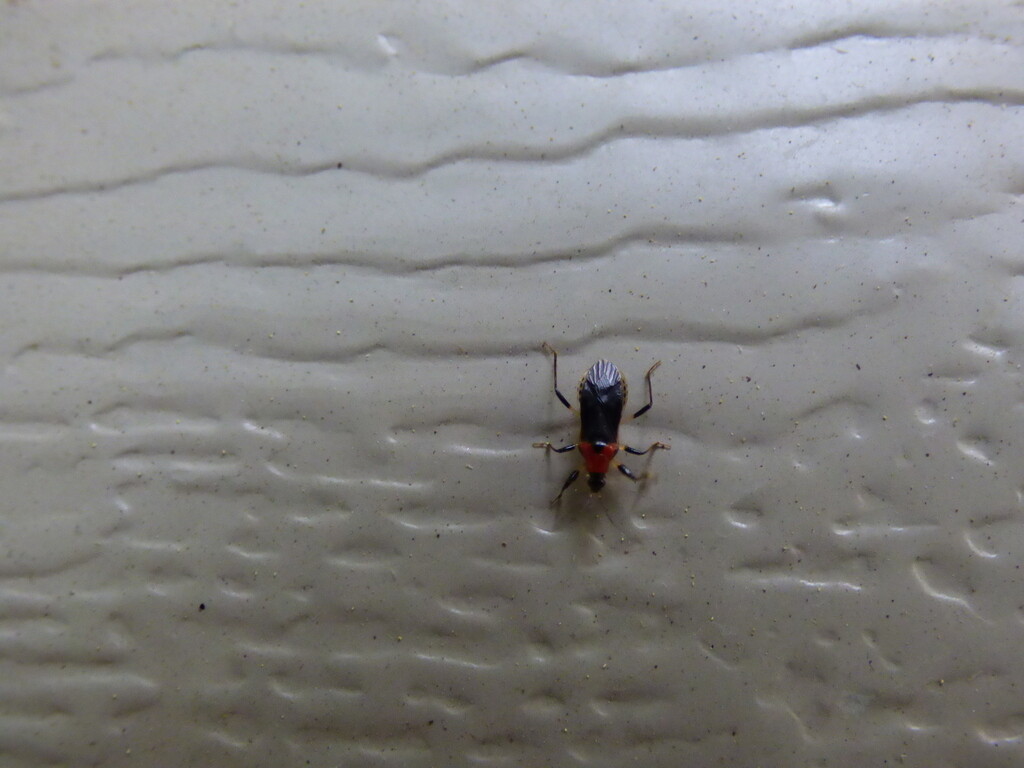
Large-tailed Nightjar subspecies that live on Palawan. Currently the only one on iNat, but I think others from Palawan are as well, less than ten observations in that case. Also I have the only daytime photo of the bird.
4 Likes
Here’s a Scarlet Snake with bonus points for being aberrantly colored.
https://www.inaturalist.org/observations/35607115
3 Likes
oh that hurts.
I was one year old when that was originally photographed apparently
Well, I wasn’t that young. But it was my first published note in a biological journal so, minor though it was, it had some significance personally.


7 Likes
Dendrolagus bennettianus Bennett’s Tree Kangaroo would have to be pretty up there as one of the rarest mammals I’ve seen. Their range is only around a 70km long stretch of subcoastal forest.
5 Likes
I think I might have seen a California condor once, but I was young, so I can’t remember.
While I was out for mycoblitz two years ago, I stumbled across these ghost pipes!
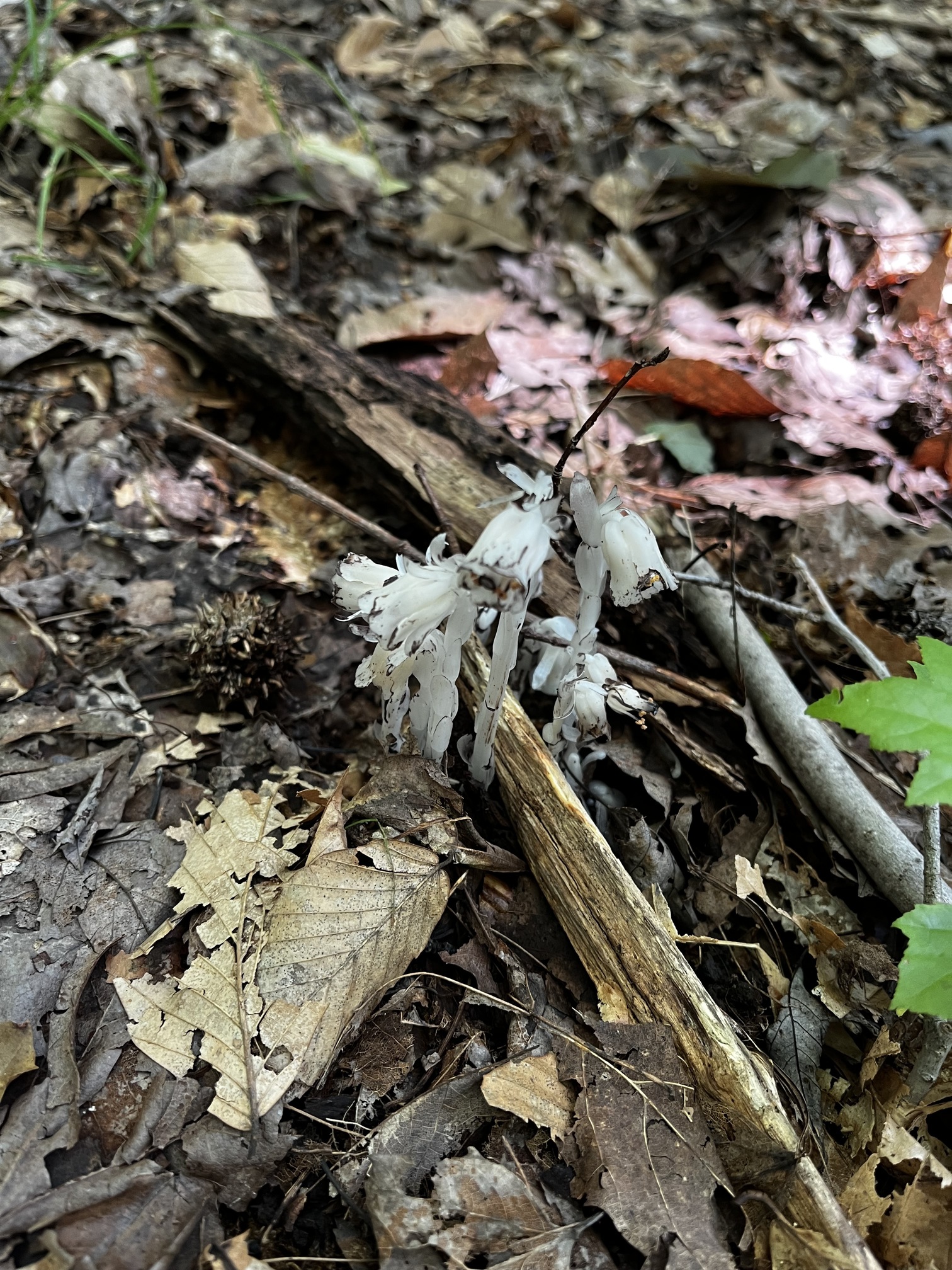
While not incredibly rare, I thought it was cool that I found a weird plant on accident. Definitely one of my rarest finds, but probably not the rarest.
6 Likes
As of yesterday, or I guess march 2024 its this moth I saw in Honduras
6 Likes
This (tentative) ID of Hesperus stehri from 2018 is among my rarest observations, with 8 total records on iNat. Although there aren’t many records on iNat, I didn’t have to look far to find it - I found it on the floor of my car!
Others include:
- Chlaenius platyderus (12 total records, second in state, RG)
- Aporus niger (19 total records, first in state, RG)
Two unconfirmed fly observations from a productive trip to Colorado in 2020:
- Thereva albopilosa (2 total records! Needs ID)
- Lasiopogon polensis (4 total records! Needs ID)
3 Likes
Things I’m the only observer for on iNaturalist
Xylophilostenus octophyllus
Cillibus ovalis
Heteromeringia hypoleuca
Eristalopsis wrightae
Ecnomophlebia argyrospila
4 Likes
Probably my rarest for birds given the location I saw it: https://www.inaturalist.org/observations/137396637
3 Likes
Rarest animal I’ve ever seen was actually about 14 years ago. I was fishing on the Missouri River and managed to accidentally catch a 3ft long Pallid Sturgeon (Scaphirhynchus albus). They’re an endangered species and I was 17 at the time, had never even seen a picture of a sturgeon before so it weirded me out with its extendable mouth. I immediately released it, bc I always do catch-release fishing, only for an older fisherman to come SPRINTING from out of nowhere to gush at me about it lol. I was very surprised to find out the weird fish I caught was so important.
7 Likes

This weedy looking thing is the Harringey Knotweed - more specifically, that exact plant is the type specimen, so the Harringey knotweed:
HOLOTYPUS: Overgrown railway marshalling yard at Haringey (Railway Fields), Middlesex, v.c.21, map reference TQ317882. 2 October 1987 1. P. Bailey & D. Bevan. (LTR)
It’s a hybrid of Reynoutria japonica (Japanese knotweed) and Fallopia baldschuanica, the Russian-vine. Whilst seed-embryos of it are surprisingly common where the parents meet, they rarely actually germinate. It’s been found in Belgium twice, and Britain a couple of times.
It’s so rare, that despite both it’s parents being invasive in Great Britain (one being one of the worst invasives here, the other one mostly only when it’s dumped garden waste), that single plant is being actively conserved - seriously, one document says they’ve been trying to clear bramble and ivy from around it!
9 Likes
Rarest animal I’ve seen was in 2002 in Danum Valley Sabah Borneo. I saw a Bornean Bristlehead. These days the internet has photos but back then you couldn’t even find a public available photo of one online. Our guide was saying “you’re so lucky. I’ve had people come here from the US and Europe just to search for this bird and never see one. I only had a compact camera at the time and it was way up in a tree but clear views.
3 Likes
Orcutt grasses from vernal pools in California.
These critters live transient lives in transient pools that fill up with water for only a short time period.
5 Likes