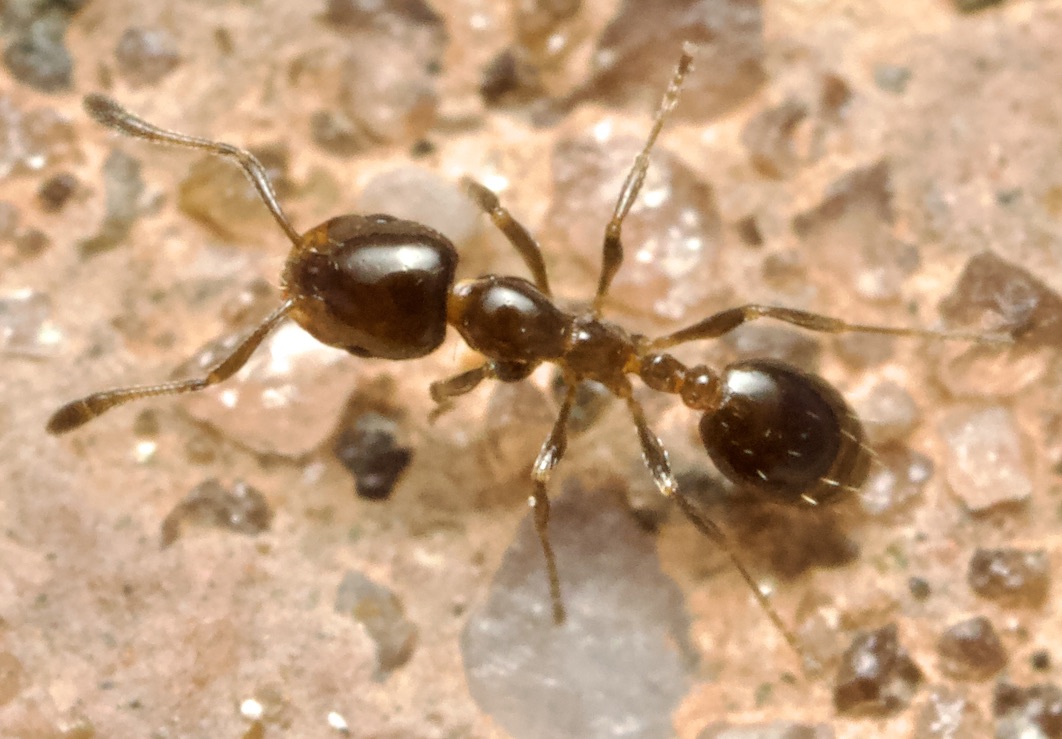
Hard to distinguish, but you can do it!

Do you have any species in your IDing skills that are hard to ID, but you can tell which one is which?

One example of mine would be the Certhia familiaris/brachydactyla duo… pretty hard to ID in some photos.

https://www.inaturalist.org/observations/323430875


That line above the typical “z” mark on the wing made the difference this time…

What are your examples?

1 Like

I saw this thread and thought I must have some obs somewhere that fits the thread, and then realized I probably have hundreds, since insects are often hard to get to species level

The 2 recent ones that stand out are:

This ant https://www.inaturalist.org/observations/317161223 , which is IDed by the mathematical ratio of antenna scape length and head width

And this one https://www.inaturalist.org/observations/317157444 , a poorly documented species distinguished from common species by absence of hairs on the scape and tibia combined with the uneven teeth on the mandible

4 Likes

Yeah, same… in spiders there are many that do look very similar to the layperson.. or actually even the interested enthusiast.

for example any black Pardosa spider

https://www.inaturalist.org/observations/279525359

versus for example

Melocosa fumosa

https://www.inaturalist.org/observations/319383763

and let’s throw Geolycosa rafaelana in the Mix as well.. yet another species in a totally different Genus

https://www.inaturalist.org/observations/274689385

It’s all about details in leg spines, head structure, eyes…

2 Likes

Yeah, I can easily tell between black-capped chickadee and bald eagle.

For more difficult ones, I guess I can tell the difference between the monarch and viceroy butterflies. I don’t know if that’s difficult enough to count.

4 Likes

Speaking as a mycologist.

Hahahahahahahahahaha

Yes

(I’ll find some examples when I’m not on my phone, lmao)

7 Likes