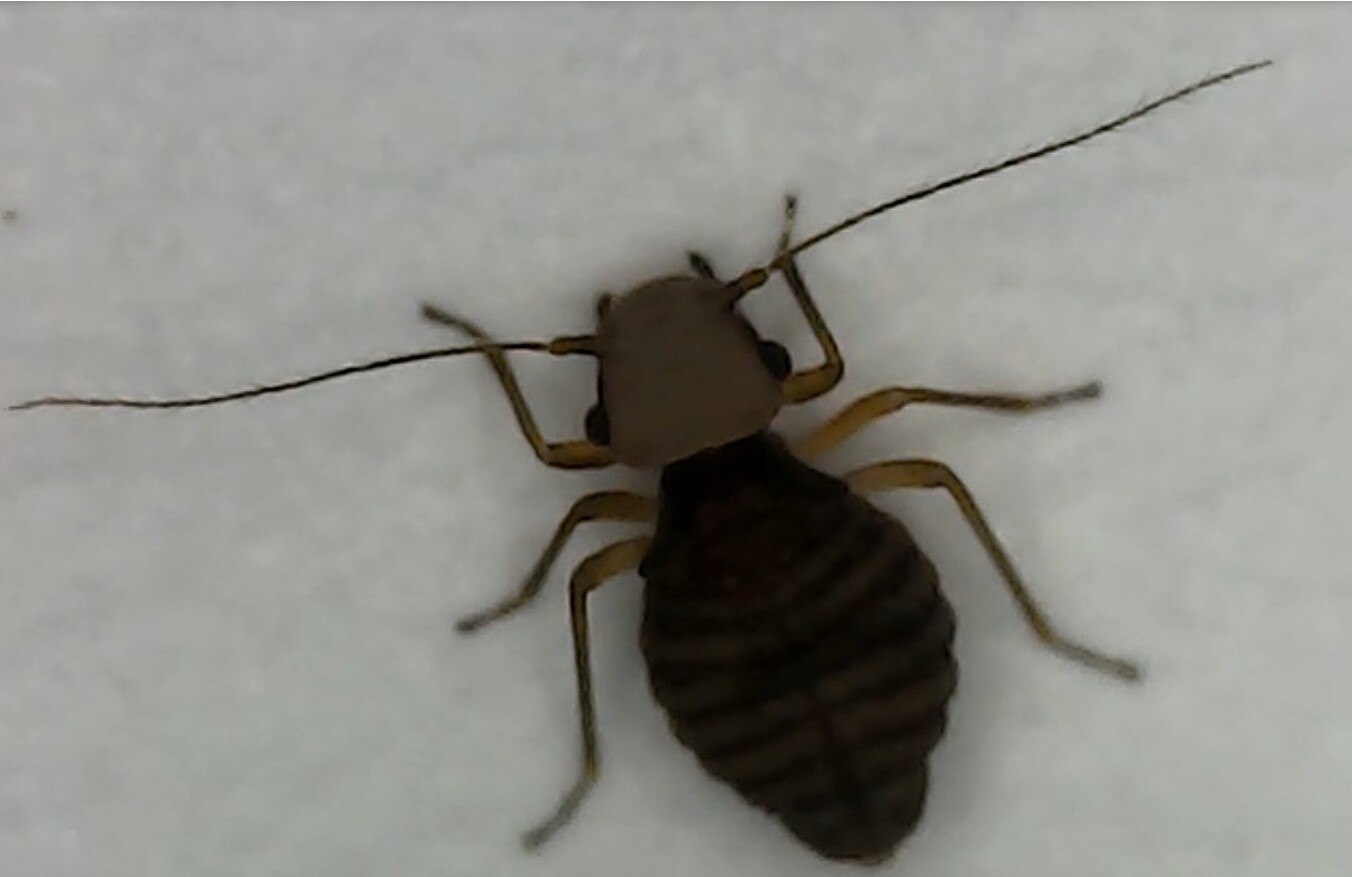
I’ve collected a few handfuls of leaf litter and humus from the rainforest to look at under the microscope. There are many small critters ranging from springtails to spiders to beetles to woodlice. On the first day I had them I observed using the location of collection and calling them wild but after a few weeks of having them at home in a sealed container I’m starting to wonder if they’re captive now.
I did read a thread in this vein about pond water but the creatures I’m dealing with are just slightly larger. If I brought home a bigger animal I would be inclined to call it captive (I would not take a wild mammal, bird or reptile home) but I feel like these little guys don’t know they are captive, they are still surrounded by familiar things and going about their business.
I don’t think this is relevant to whether or not they should be considered captive for the purpose of iNaturalist. If you mark an observation as wild it should accurately reflect the specimen as it existed in its wild state. A specimen photographed within 24 hours of collection is very likely to fairly accurately represent the wild animal at the time of collection. After a few weeks it is quite possible the organism has greatly changed since collection and in my view you are quite definitely documenting a captive organism at that point, not a domestic one. I would mark these observations as not wild, put the pin at where the captive specimen is (possibly obscuring the location if you do not want to broadcast your home address), and then make a comment about time and location of collection.
In what way do you mean the animals are “greatly changed” by being in the sealed container for a longer time?
If they were killed after collection, you would still post them as wild and with the collection time and date. I don’t think it is very different if they are still alive in the box when you take pictures.
It seems entirely possisble that an insect could have hatched or pupated in that timeframe for example. If you kill an organism soon after collecting it you are preserving its state. If you rear an insect for months and then kill it you should no longer mark it as wild. This is not a novel question, there are plenty of threads describing more or less exactly this and a clear majority opinion that any organism which has been held in captivity for an extended period of time should be marked as captive. See e.g.
I agree with the above, but it is most important for the original time and location of collection to be available, from every observation that was made of the organism. I remember collecting a hoverfly larva from leaf litter once. The larva (which could not be identified to species) I posted as wild with the original location. Once it pupated I added a new observation of the adult identified to species, but marked as captive, and linked the two observations together. The thing is, it pupated in December, due to the warmth of my house, which it would not have done if it had remained outside. Marking it as wild would not have reflected true phenology.
I think the answer to the question depends entirely on the particular species/individual being observed. Everyone agrees that an organism that’s been in captivity for a year is captive and one that’s been in captivity for an hour can still be “wild”, but where the line is ought to depend on how much the organism has changed between capturing and photographing it.
Take a praying mantis, for example. I catch one and take it home to keep as a pet, and collect another one and kill and pin it. Three weeks later I photograph both of them, one mounted and the other still alive, and post them using the date and location of original capture. If the live one was an adult when captured, and its appearance hasn’t changed since capture, it seems ridiculous to call the pinned one “wild” and the live one “captive”. If anything, the live one has “preserved the state of the organism when found in the wild” better than the pinned specimen in this scenario. The pinned one is definitely “wild” material according to iNat, so in my opinion the live one should be as well. On the other hand, if I caught the mantises as nymphs and reared the live one to a different instar, posting it as wild with an image representing how it developed and changed in captivity would be a problem- this could mess with phenology data.
So I’d say the question comes down to phenology issues- if the animal still looks like it did when you caught it, then posting it as wild is no different than posting a preserved specimen as wild. If life stages have changed and/or the state of captivity has altered the animal to make it not representative of what you found in the wild, then “captive” seems appropriate. You’re presenting the observation as a representation of what you found in the wild on the date and time of capture, so if that representation is accurate, then I’d say call it “wild”. I don’t think there’s any particular time frame after which an organism “becomes” officially iNat-captive; it’s just a question of how well the organism you’re photographing represents its state when you found it.
Yeah, I think this is an approach that makes a lot of sense in your case since you’re familiar enough with the organisms to make that call. If you are certain an insect was in your sample in the same state at time of collection it’s probably better to mark it as wild. But I think if OP is just looking for a blanket rule for random things they notice in the container weeks later it’s probably safest to just mark all as captive.
For my purposes what I’m most interested in recording is the presence of a species at a location, rather than the life stage of a particular organism. That said I recognize it could pollute the seasonality data if the situation leads to pupation or some other development out of the natural schedule.
It’s a shame there is no box to tick that marks an observation as collected, and no way to record the observation date and collection date separately, outside of putting it in the description which is likely to be missed by anyone looking at observations in bulk.
Personally, I think it’s best to use the date and location of capture as the date and location of observation, even if the photos were taken later. As to whether it is marked wild or captive, I think this depends on a variety of factors, as mentioned by paul_dennehy.