
A lovely American Pelecinid Wasp, hanging out on a leaf. The elongated structure on the back of the abdomen, is in fact, a modified ovipositor, not a stinger! These wasps are incapable of stinging, and parasitize caterpillars.
20 Likes
https://www.inaturalist.org/observations/310689069 .
He is Neil. He’s got some life story there.
7 Likes
https://www.inaturalist.org/observations/310254259
I’ve never seen this guy in person! I had seen it a bunch on my states biodiversity but it was so tiny I didn’t even see it if I wasn’t just browsing the outside wall lining while I waited for a coworker that morning!
9 Likes
Real good beach day today! Got bored of sunbathing and got out in the open sea, in a deeper water. Here’s the best I got:

A garfish: https://www.inaturalist.org/observations/311213091 , among other fishes.
Then, I got back to a rock I wanted to check, and it was worth it!
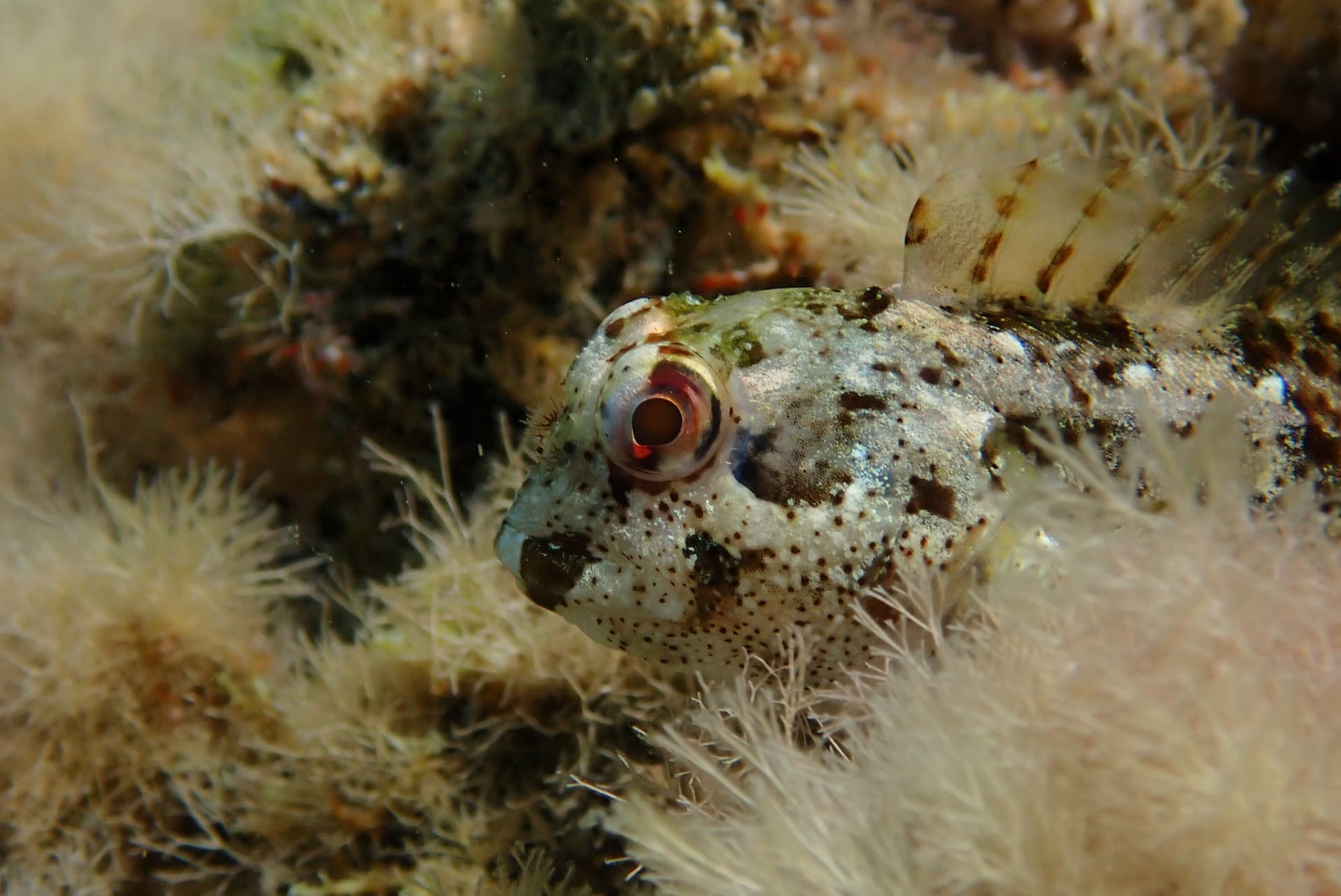
Lipophrys trigloides: https://www.inaturalist.org/observations/311215950
Honorable mention, a Sphynx Blenny, so cute!

22 Likes
Two beautiful clown beetles! I thought they were ladybugs at first, then realized they were probably some kind of weevil. And yes! A lifer!
11 Likes
I found a Notch-backed Cuckoo bee and multiple Hump-backed Beewolf. I’ve become fascinated with Wasps lately, and it’s spiraled into a complete fascination of all Bees, Wasps and related.
Epeolus scutellaris
https://www.inaturalist.org/observations/311329143
Philanthus gibbosus
8 Likes
This week I get to hike a part of a preserve that I had not hiked before. This yielded many new lifers, including this Acer spicatum (mountain maple) observation
7 Likes
It’s kinda crazy to think that a bumblebee that was once so universal in E. North American has become a lifer bee for me.
Either way, today I spotted an American Bumblebee queen hard at work before the cold sets in! I CAN’T STOP GEEKING ABOUT HER

14 Likes

I haven’t seen a Leopard Frog in a long time so this was an exciting sight for me.
12 Likes
I have been on the lookout for this ever since I started to use iNat and here it is:
Phytoplasma asteris, Ladies and Gentlemen:

10 Likes
Oh wow, I am envious! They are considered to be “likely extirpated” in New England. Guess I’ll have to come to your neck of the woods to see one!
And you got such nice photos…
2 Likes
Through the reading I have been doing, Ohio has very few of these lovelies too- but I am going to watch this area like hawk while the weather still allows it to see if there are signs of an established set of colonies in the preserve.
I and going to be doing a lot more running again, it looks like 
2 Likes
It’s not often that I get a dragonfly lifer. I think this is a black meadowhawk, but my dragonfly identifying skills are next to nothing, so I wouldn’t be surprised if I was wrong.

https://www.inaturalist.org/observations/312093009
7 Likes
Is a lifer something you’ve waited your whole life to observe, or just something you’ve never observed before in your life?
My first owl observation: https://www.inaturalist.org/observations/310705999 (among crickets)
My first skink: https://www.inaturalist.org/observations/311420396
And my first true toad: https://www.inaturalist.org/observations/311811163

5 Likes
I’m pretty sure it’s just something you’ve never observed before.
3 Likes

This little guy that I escorted outside today! Not quite sure what he is, image searches keep suggesting different things, but I learned the hard way that he’s got wings! (He jump-scared me as I was setting him down, bounced right off my glasses  )
)
10 Likes
A brown wasp mantidfly; so incredibly cute and chill and was so much fun to watch. It crawled all over my hands, my camera lens, etc. I thought it was a wasp at first, but its little grabby front legs suggested mantis. What a cutie!!
11 Likes
https://www.inaturalist.org/observations/312256217
https://www.inaturalist.org/observations/312260674
https://www.inaturalist.org/observations/312312799
Canadian Imperial Moth caterpillar.
5 Likes
Not from what I can see. 
So far as I know, both are right. The most important part is that it’s your first time seeing this thing.
4 Likes
Compare him to other members in the Neoclytus genus. Example from my own finds:
2 Likes