My favorite lifer from this week is this Cecropia Moth

Even though they seem to be relatively common in the area where I recorded it, I had never seen one before! It was nearly the size of my hand!
15 Likes
Woah! Such good pictures! Those spikes are so dramatic. All right, you’ve inspired me. I’m getting a diffuser!
1 Like
Thanks! I made my diffuser literally from a couple boxes and then taped them together and added aluminum foil on the inside and a piece of foam on the front end:
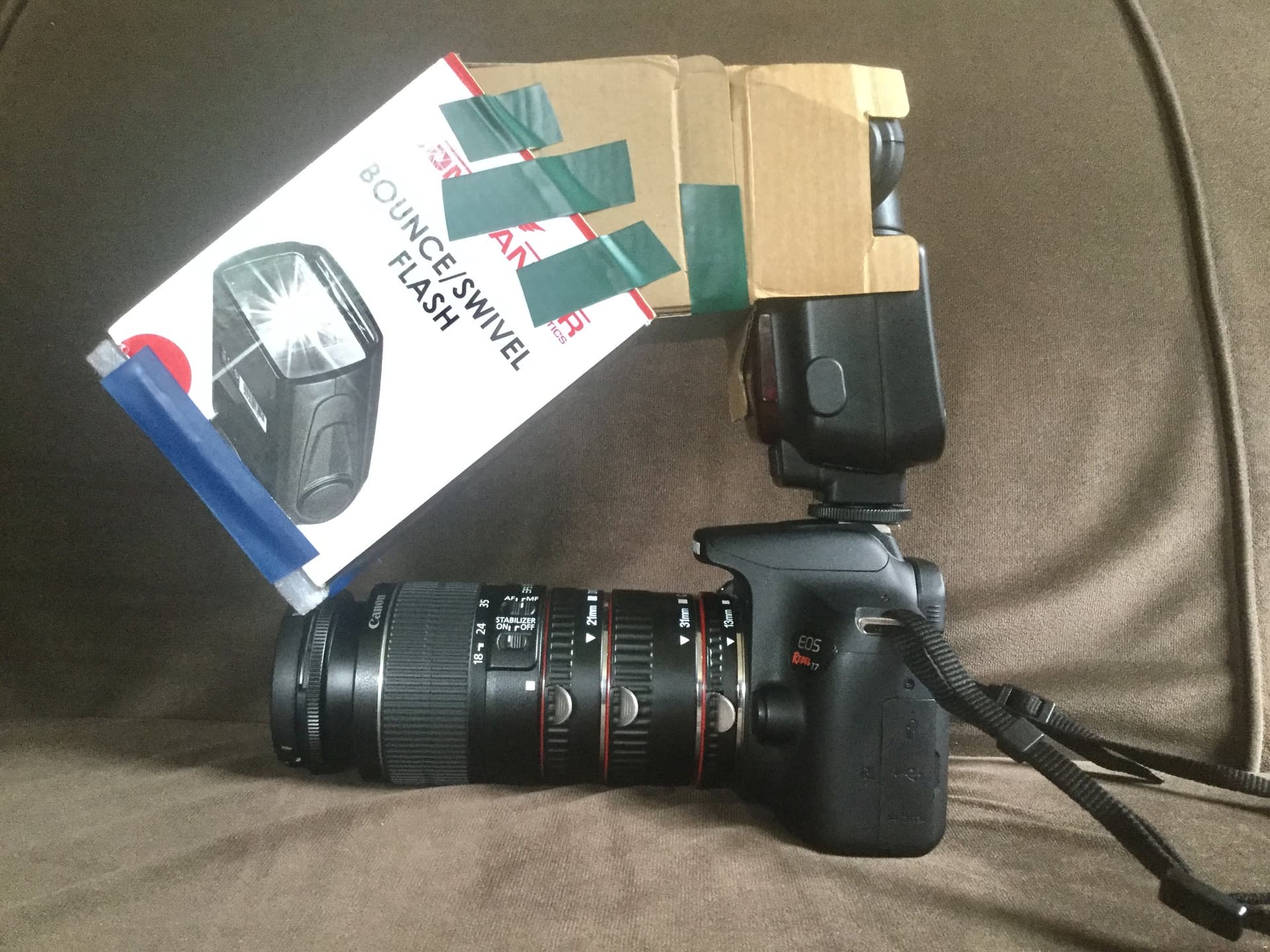
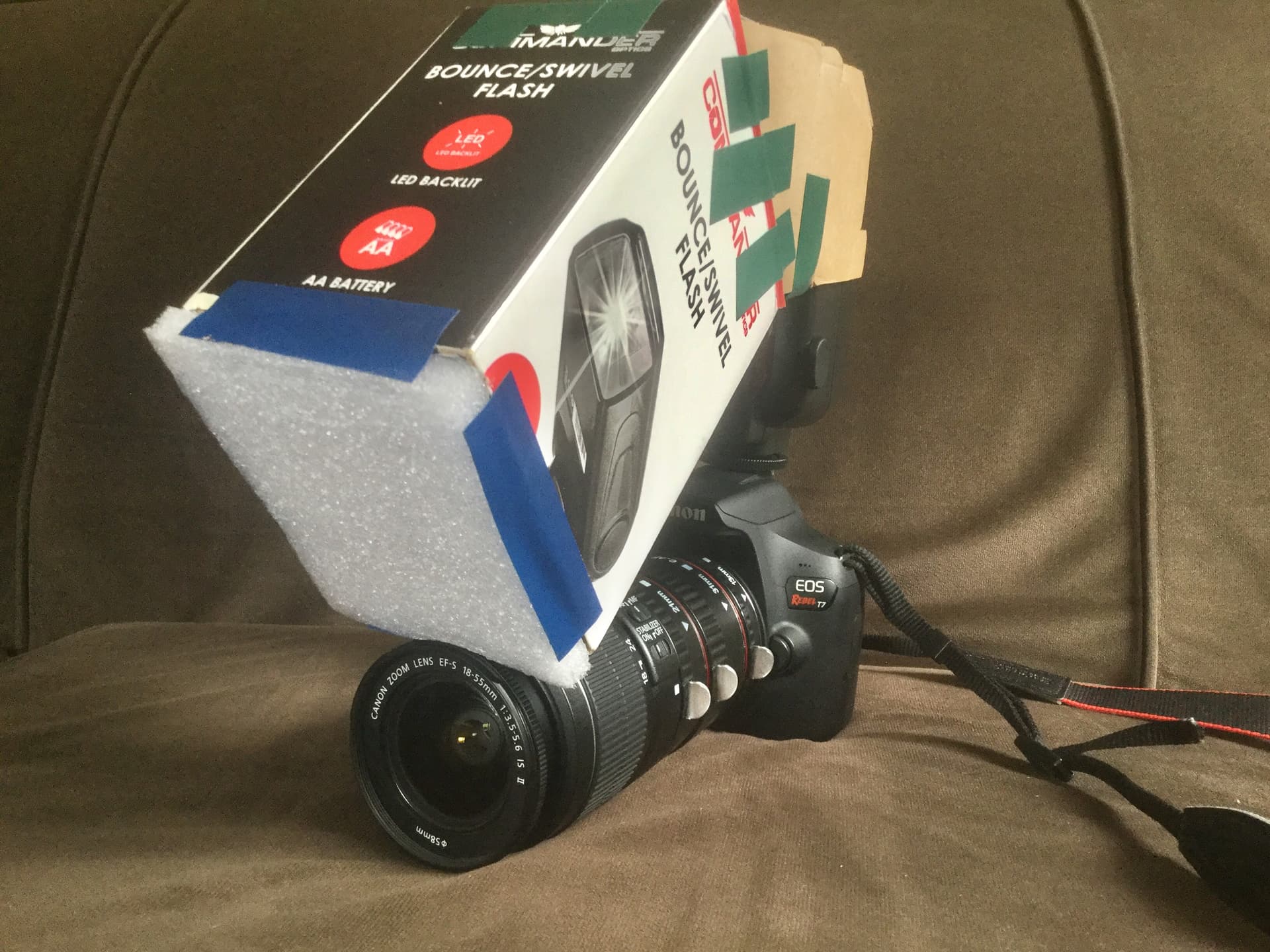
(N.B.: The box toward the front end of the camera is part of the box the flash came from :)
But making DIY diffusers can be difficult and fragile. If you have a “true” macro lens (e.g., Laowa 100mm), one of my favorite photographers has a link on his Instagram page to a place where you can get diffusers custom-made (and certainly higher quality) by AK diffuser. I can’t really get a custom-made diffuser myself since I’m cheap and just use a kit lens and a macro extension tube!
Unfortunately though, flashes usually make the background turn out black, which can look nice for some macro subjects (such as Uloboridae), but others don’t show nearly as much detail on black, especially when hairs or coloration are a main attraction:

^ Leucauge venusta
If you don’t like black backgrounds, AK also sells background cards, which can be very useful for making details stand out on the subject:

^ Oxyopes aglossus

^ Phidippus putnami
(Hope this helps :)
12 Likes
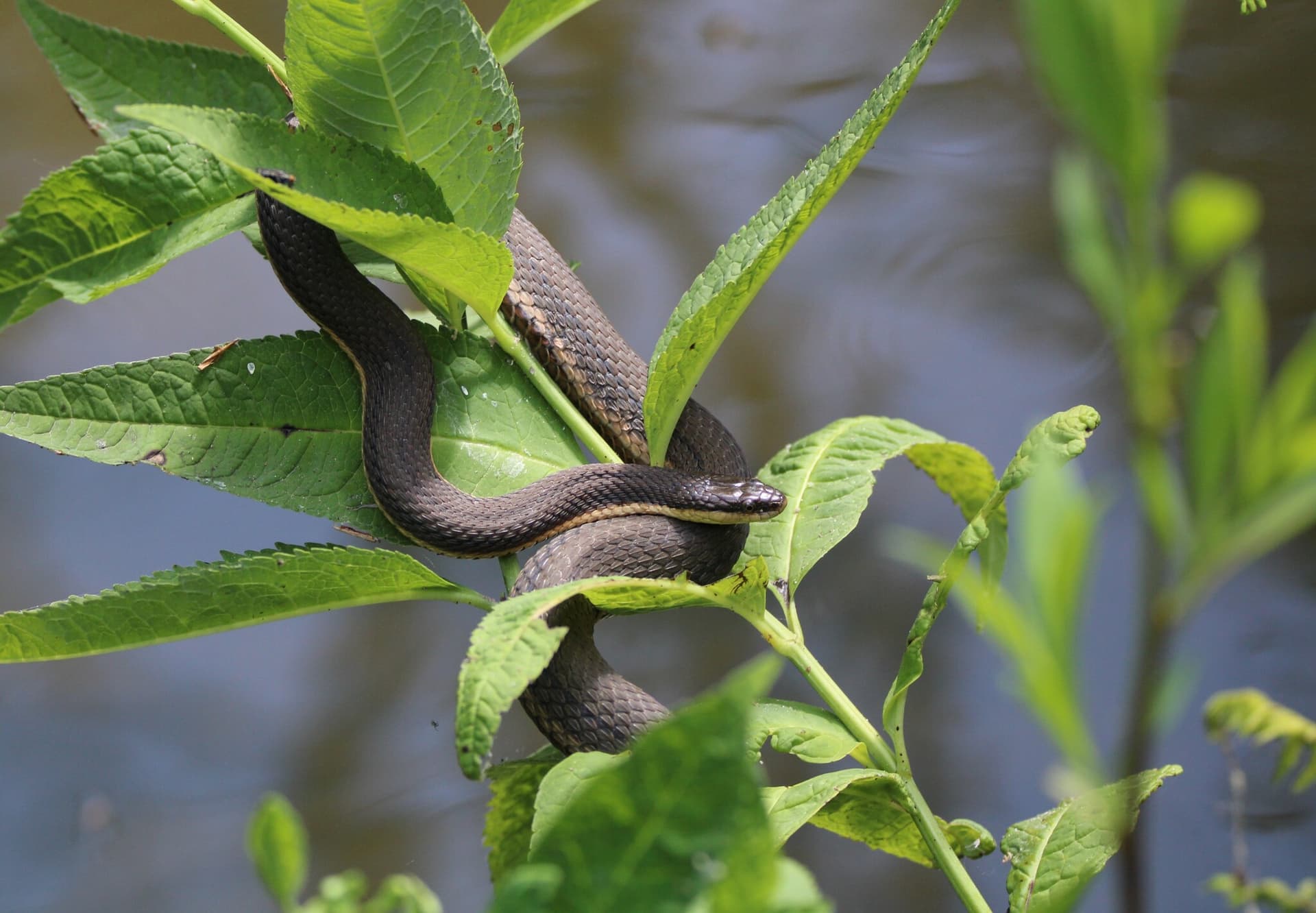
My long-desired lifer Queensnake! What made this lifer even more special was my nieces and nephew helped me find it. Despite an initial hesitancy, the kids agreed to come on a nature walk with me to look for them. They proved invaluable and all 5 Queensnakes were first spotted by one of the kids.


A community fish nest of Bluehead Chub, Mountain Redbelly Dace, and Rosyside Dace (all lifers) was another exciting find!
17 Likes
I spotted a beautiful sawfly that made me think of it almost as a young/small Odonata. The Narrow-striped Rhogogaster (Rhogogaster chlorosoma) has a bit of dragonfly feel in combination with a Halloween feel. I love this being! It also happened to be the first observation of it in Amsterdam.
6 Likes
Last evening, I went to the Cornell Botanic Gardens, where I basically ignored the (cultivated) plants while looking for the (wild) insects visiting them. I was rewarded with the following lifer, the Swift Feather-legged Fly (Trichopoda pennipes).

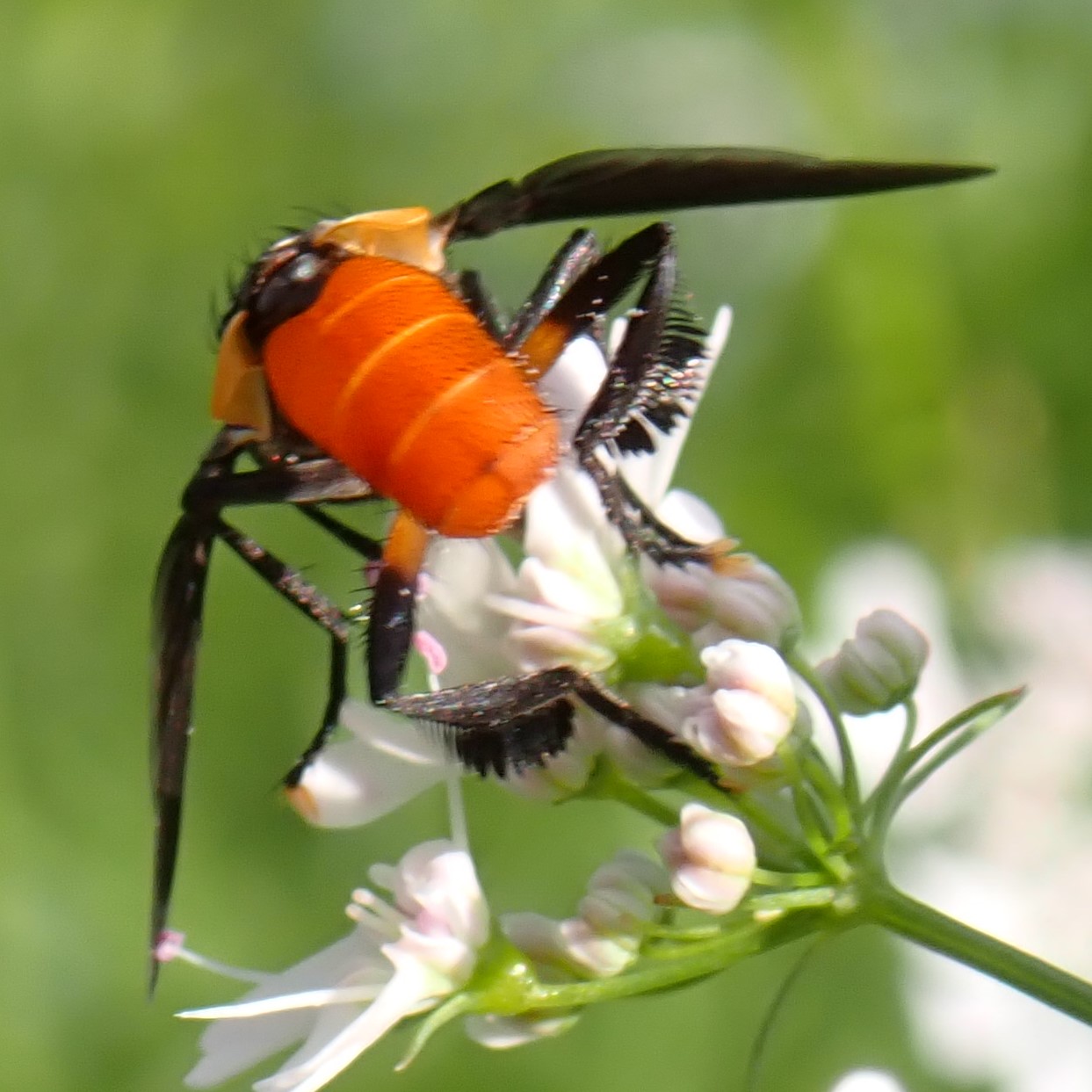
My attention was caught by that bright orange abdomen, but my camera was able to capture the feathery fringe on its hind legs which gives it its common name.
So, two things about this random encounter with a species I had never heard of before:
-
According to its Wikipedia entry, this insect is not only a pollinator, but a parasitoid of various insects like stinkbugs. Now, when I see those, I’ll have to look closely to see if an egg has been laid on them.
-
Of the approximately 5,700 observations of this species on iNaturalist, nearly 1,700 of those are still at “Needs ID” status. As an amateur naturalist, I’ve been trying to increase the number of IDs I make by looking for taxa that I can confidently identify, even if I can’t work through a dichotomous key without my eyes glazing over. Wikipedia says there are variations in the coloration of their abdomens and wings, but this certainly looks like one of those species I can work with, at least for many of these observations.
Or maybe that’s just my ignorance talking, and there are many species that look similar, even if they’re not on the “commonly confused with” list that iNat displays?
20 Likes
Oh, yes! That, along with the black wings, was what I picked up on when I made my observation – a fly that almost looks aposematic, yet isn’t a wasp mimic; rather perplexing. My photo isn’t nearly as good as yours, though.
1 Like
Who said fringe pants weren’t stylish anymore
2 Likes
Got this strange looking cerambycid
https://www.inaturalist.org/observations/220609880
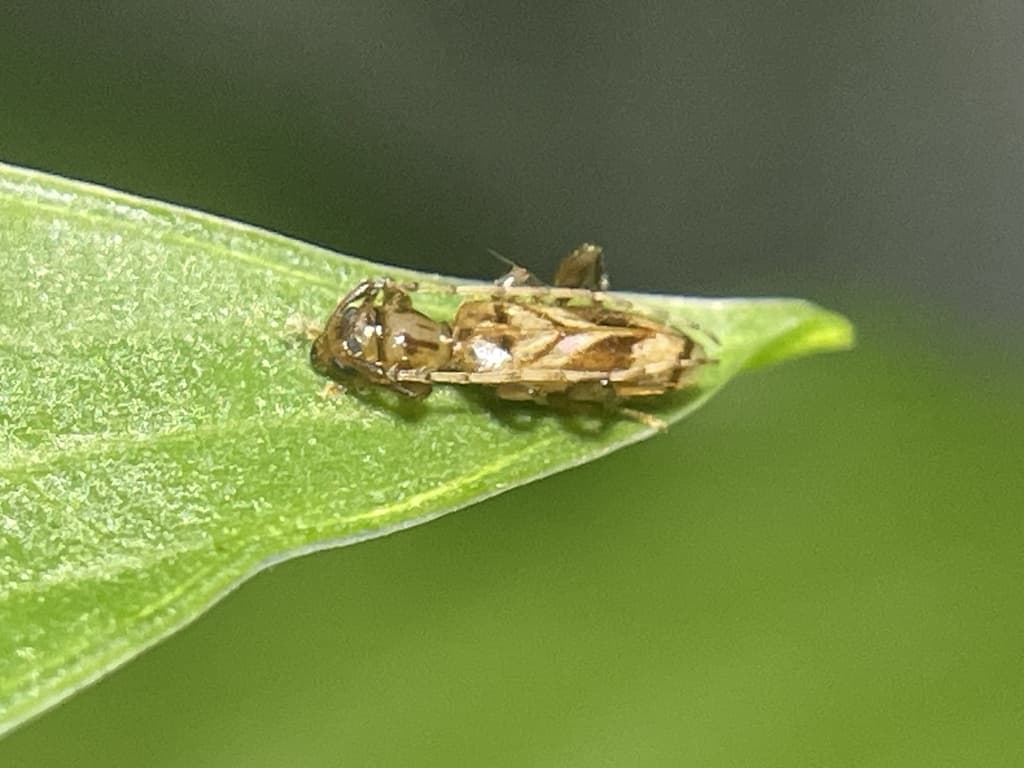
I just really like the colors on this one
https://www.inaturalist.org/observations/220388619

15 Likes
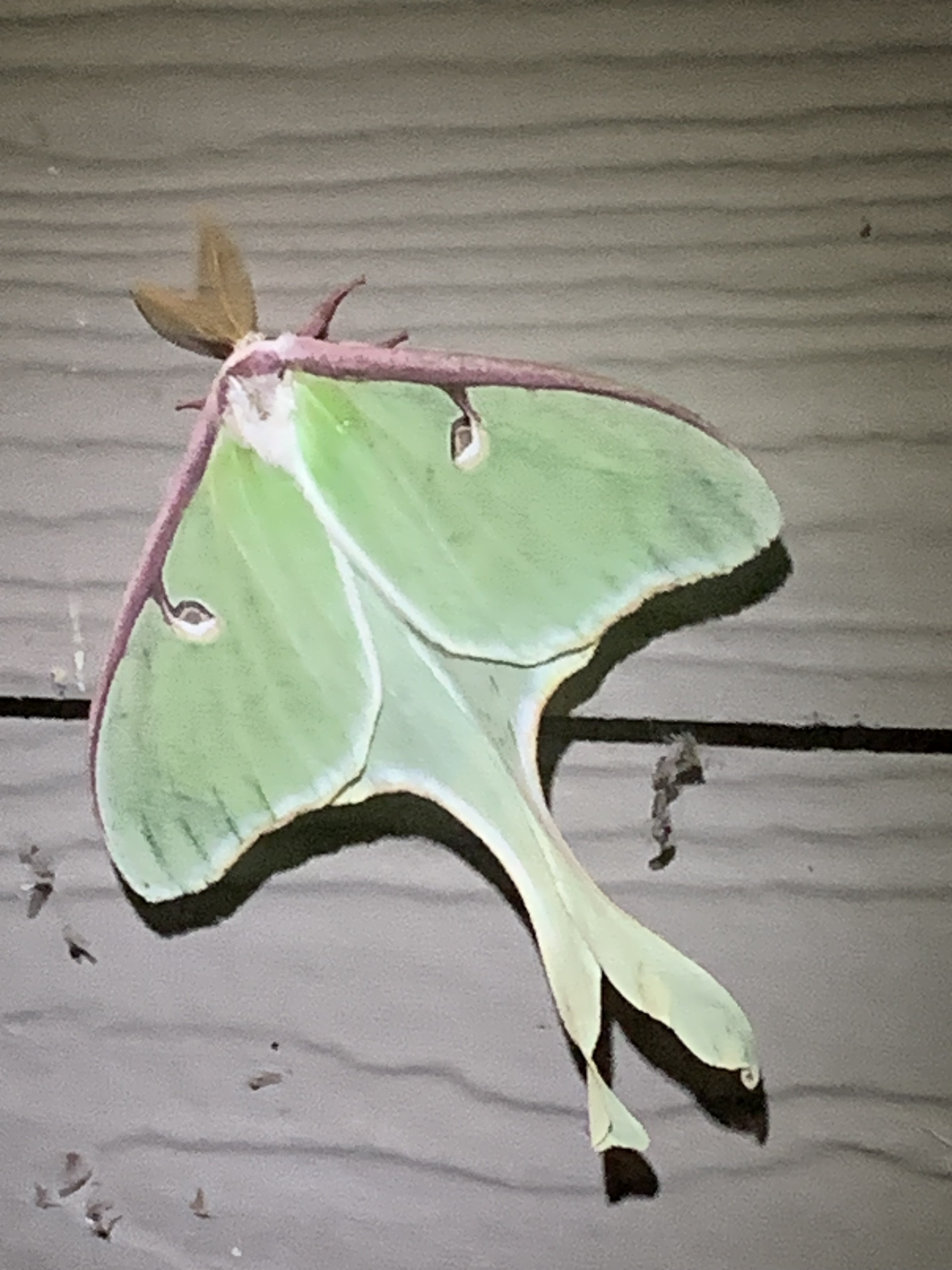
http://www.inaturalist.org/observations/221192725
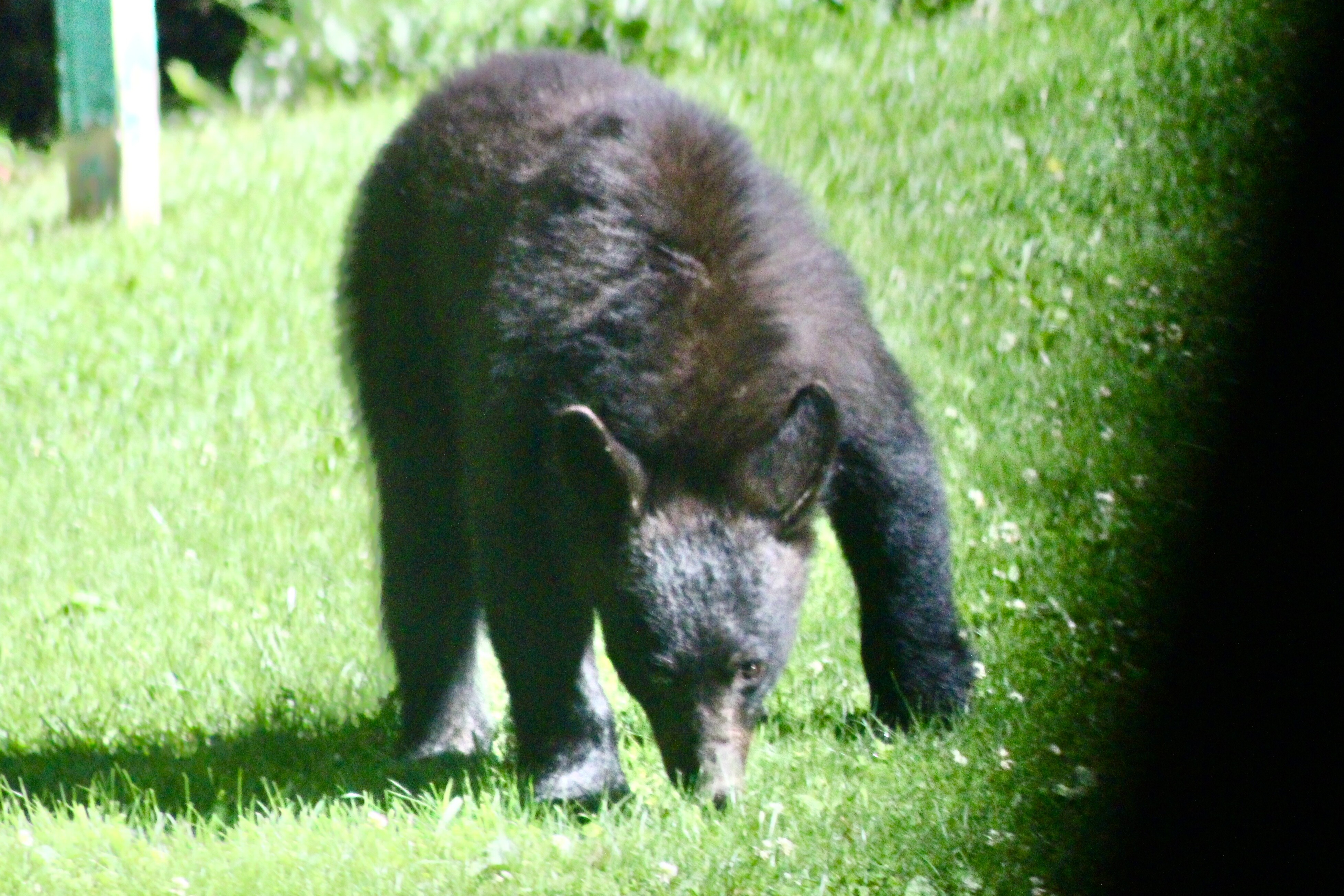
I found a lot of new, cool creatures on a trip to Tennessee but I think I’ve got to go with the black bear, given it’s my first time seeing them!
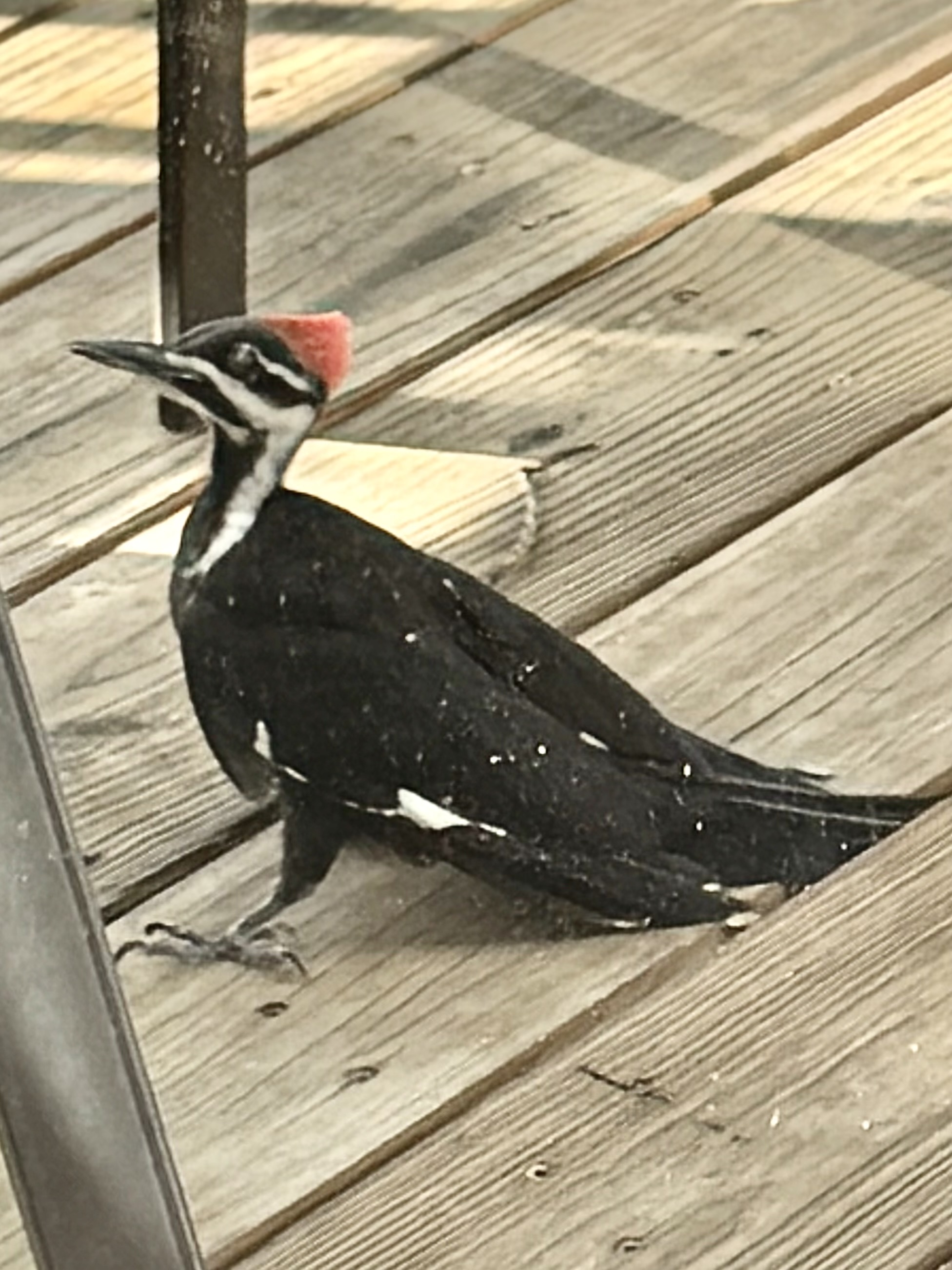
A close second would be the pileated woodpecker, another large species I haven’t yet seen until now:
19 Likes


Black Giant Ichneumonid Wasp ( Megarhyssa atrata)
I have a short video too, it seemed to not know what to do with so many legs to move and place.
14 Likes
 That is so helpful. Thank you! I also am cheap and have extension tubes strapped to a kit lens. I’ll probably also end up with the DIY diffuser
  .
.
The background cards are such a good idea! I had no idea those existed. Obviously what you are doing works! Those are some fabulous shots! I can’t wait to try this out on my Orchard Spiders. They are all hiding in shady corners so I really need a flash.
2 Likes
Finally saw an Ichneumonid Wasp! It was laying eggs in the Ceratina bee nests in my garden.

15 Likes
Great shots and extremely cool spiders! Pam
1 Like

Another week, another new bee. This one I’m extra excited for, because it’s a cuckoo bee! https://www.inaturalist.org/observations/221641763
15 Likes

Didnt previously know of the existance of these very small flightless flies (Howickia) https://www.inaturalist.org/observations/221057758
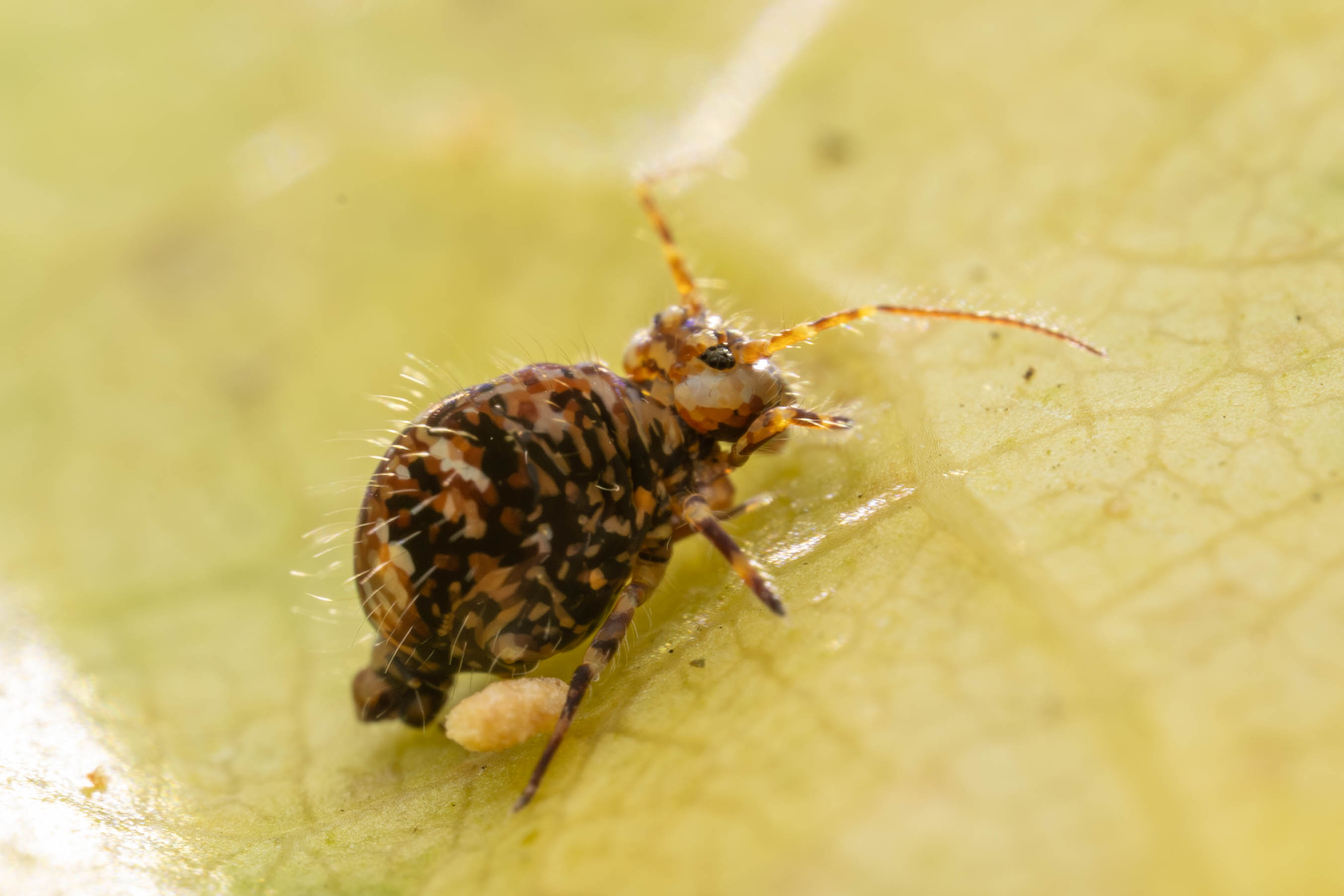
My first globular springtail obs. No idea where it sits. The closest looking one is obs of Sminthurus medialis from North America, but could just be cosmetic similarities. https://www.inaturalist.org/observations/221057769

One of my smallest handheld shots so far is this mite. Guessing at genus based on similarities. But if anyone knows mites…https://www.inaturalist.org/observations/221057757
17 Likes
There’s a project for these: https://www.inaturalist.org/projects/flies-that-can-t-fly
2 Likes
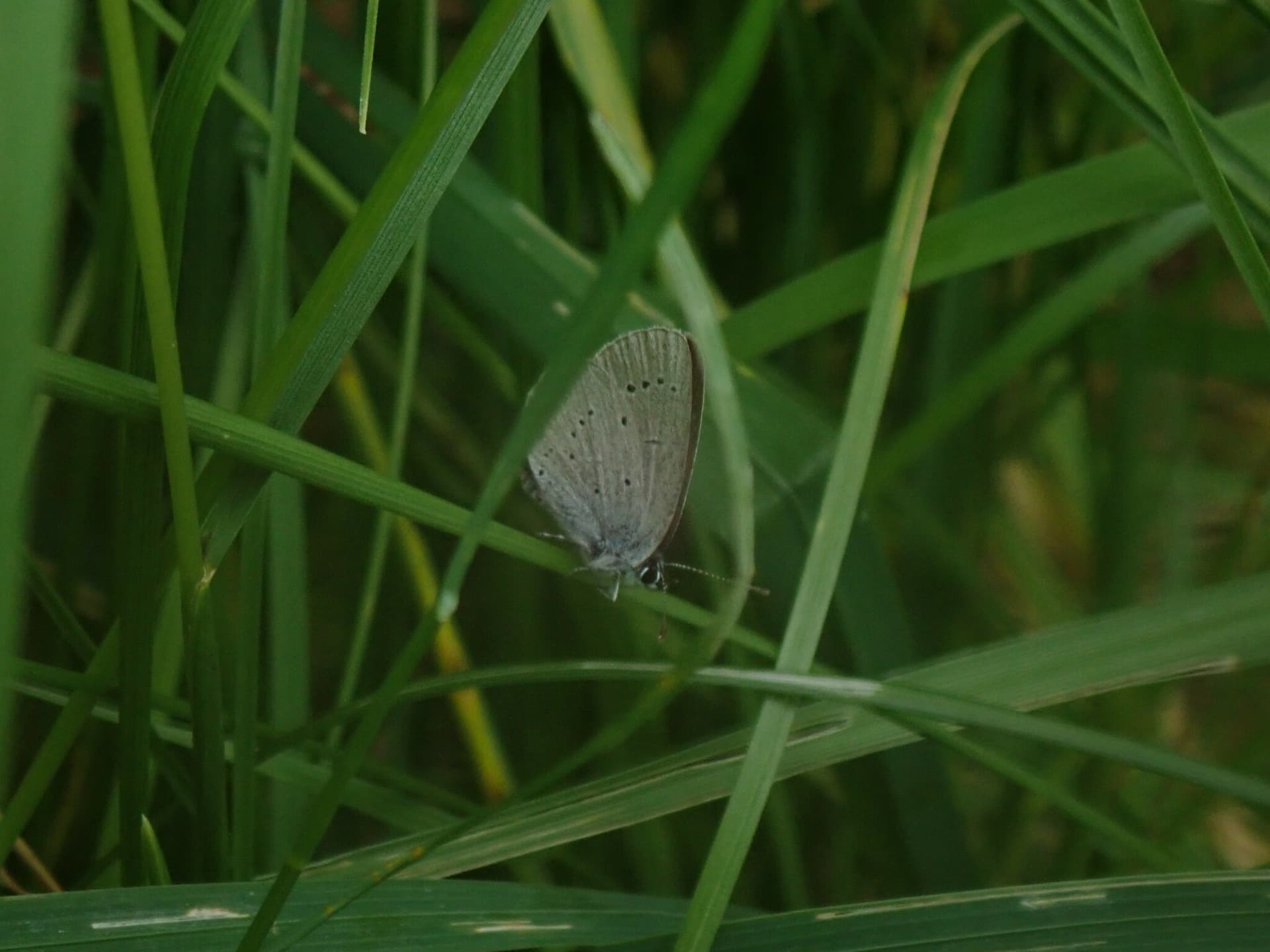
in spite of the weather being quite poor in the UK recently I decided to take a visit to Bishop’s hill nature reserve in search of the somewhat local Small Blue butterfly (and the grizzled and dingy skippers which unfortunately didn’t make an appearance due to the cloud and cooler temps). There were a couple of them hunkered down in the tall grass amongst some horseshoe vetch (their main larval foodplant).They’re truly diminutive and while somewhat dull were a species I’d been wanting to find for a while. Also saw a good amount of scarcer plant and insect species (mostly lifers) while on my hunt.
12 Likes
I was recently on the island of Nevis, West Indies for 4 weeks, I found quite a few lifers there, as usual.
Here are some of them:
Senna alata

Purple Funnel Vine
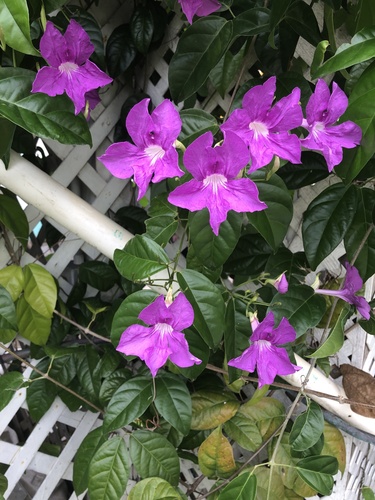
Candlenut Tree
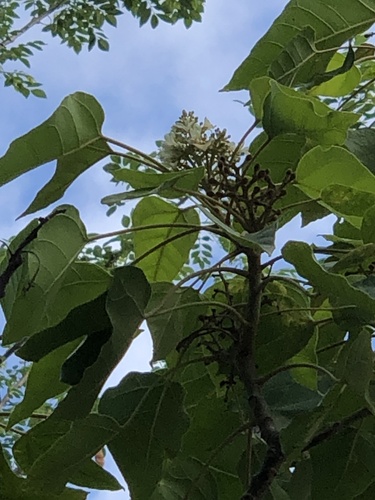
Flowerpot Parasol

Thrush Cowry

12 Likes